Categories

China Wants More Marriages. What Can Pakistan Learn? Social

China Wants More Marriages. What Can Pakistan Learn?

Marriage has always been an important part of human society. It is not simply a ceremony or a social tradition; it represents companionship, emotional support, shared responsibilities and the beginning of a new family. However, changing lifestyles, financial pressures and evolving priorities are making it increasingly difficult for people in many parts of the world to find suitable life partners and settle down.A recent development in China has brought this issue into the spotlight. A Chinese app has introduced an unusual offer for people searching for marriage. App uses artificial intelligence to suggest compatible partners based on users' education, profession, interests, personalities and expectations. It also allows users to communicate with only one potential partner at a time, encouraging more focused interactions.This initiative reflects a growing concern about marriage trends in China, where declining marriage registrations and birth rates have become important social and demographic issues.Why Is China Encouraging Marriage?China is facing significant demographic challenges, including a declining population, fewer births and an ageing society. Marriage registrations have also experienced a considerable decline over the years. These developments have encouraged authorities to introduce different measures to support marriage and family life.The Chinese government has also focused on making family life more affordable by introducing childcare support, financial assistance and policies related to education and housing. These measures aim to reduce the financial difficulties associated with raising children and starting a family.However, encouraging marriage is not simply a matter of offering financial rewards. Young people also consider career opportunities, housing expenses, personal independence and the responsibilities associated with married life. This shows that a supportive social environment is equally important when encouraging people to establish families.The Importance of Marriage in Modern SocietyMarriage plays an important role in creating stable relationships and building families. A compatible life partner can provide emotional support, understanding and companionship through different stages of life.In addition to personal happiness, marriage creates opportunities for individuals to share responsibilities, achieve common goals and build a secure future. It also strengthens family relationships and brings two families together.For many people, having someone to share everyday experiences, challenges and achievements makes life more meaningful. A healthy marriage is based on mutual respect, trust, communication and understanding rather than simply fulfilling social expectations.However, marriage should never be treated as a race or an obligation. Finding the right person is more important than getting married quickly. Individuals need time to understand each other and make informed decisions about their future.Pakistan Is Facing Its Own Marriage ChallengesAlthough Pakistan has a different social and cultural environment from China, the difficulties associated with finding a suitable marriage partner are also becoming increasingly visible.Marriage remains an important institution in Pakistani society. However, the process of finding a suitable rishta is not always easy. Rising living costs, expensive wedding arrangements, unrealistic expectations, dowry-related pressures and limited opportunities to meet compatible people can make marriage decisions more complicated.Many young men want to become financially established before getting married, while women increasingly consider education, professional careers and personal compatibility when choosing a life partner. These expectations are understandable, but they can sometimes extend the search for marriage.Another challenge is the growing gap between expectations and reality. Some families focus heavily on income, appearance, caste, social status or overseas residence, overlooking qualities such as character, communication, responsibility and mutual understanding. As a result, many individuals who genuinely want to get married find themselves spending years searching for a suitable partner.What Can Pakistan Learn from China's Marriage Initiatives?China's efforts offer an important lesson: societies need to make the process of marriage more accessible and supportive for people.Pakistan can also benefit from creating an environment where marriage is not associated with unnecessary financial burdens. Families should be encouraged to arrange simpler weddings, avoid unrealistic demands and focus on the qualities that contribute to a successful relationship.Most importantly, finding a life partner should not become a stressful or endless process. Modern matrimonial platforms can help individuals and families explore suitable proposals while keeping their personal preferences and family values in mind.How Matrimonial Platforms Are Making Marriage Searches EasierIn Pakistan, Dil Ka Rishta App is providing a platform for individuals and families who are serious about finding a suitable rishta. Instead of depending entirely on traditional networks and personal references, users can explore profiles according to their preferred age, education, profession, location and other important criteria.For families with specific requirements, personalised matchmaking services such as Dil Ka Rishta VIP offer additional assistance through dedicated matchmakers who help identify suitable profiles according to individual and family preferences.This approach is particularly helpful for people with busy professional lives, overseas Pakistanis searching for matches back home, and individuals who have specific expectations regarding their future partners. The objective is not simply to increase the number of proposals but to make the search more focused, convenient and meaningful.The Right Time to Give Marriage a New PerspectiveThe discussion in China highlights an issue that deserves attention in societies worldwide. Marriage matters, but creating the right conditions for people to find compatible partners matters just as much. Whether in China or Pakistan, the real purpose of marriage is to find someone with whom a person can build a future based on trust, companionship and shared responsibilities.For those who are ready to begin this journey, Dil Ka Rishta offers a convenient way to explore serious marriage proposals and move closer to finding a compatible life partner. Because marriage is not just about finding someone to marry; it is about finding the right person to build a life with.

Read More
More Than Love: Why Compatibility Matters in a Successful Marriage Social

More Than Love: Why Compatibility Matters in a Successful Marriage

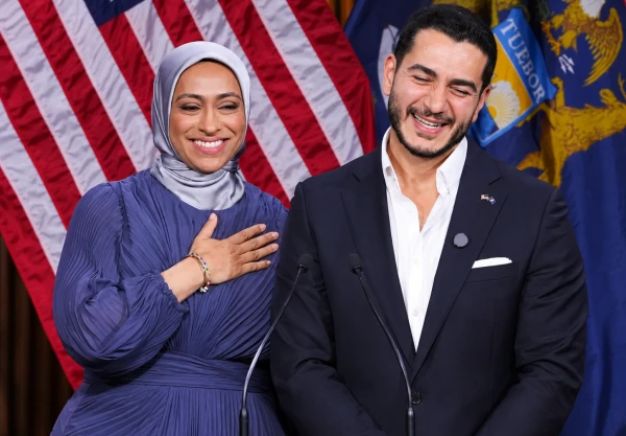
Marriage is one of life's most important relationships. Having someone who understands you, believes in your abilities, supports your ambitions, and stands beside you through every phase of life can make a remarkable difference. A compatible life partner is not just someone you share a home with, but someone you can share your dreams, struggles, achievements, and happiness with.A recent video of American politician Abdul El-Sayed has beautifully highlighted the importance of having a supportive spouse. Following his election victory in Michigan, Abdul El-Sayed publicly expressed his love and gratitude towards his wife, Sarah Jukaku. During his victory speech, he acknowledged her contribution to his journey and said that none of it would have been possible without her. He also expressed that he would not have wanted to experience this journey with anyone else. The couple's emotional moment on stage, including their warm embrace, attracted attention on social media.A Compatible Partner Makes Life's Journey EasierLife is full of unexpected challenges. Professional responsibilities, financial pressures, family commitments, and personal struggles can sometimes make the journey difficult. During such moments, having a compatible spouse can provide comfort and confidence.A supportive husband or wife does not compete with their partner but celebrates their achievements. They understand that marriage is a partnership in which both individuals deserve opportunities to grow, succeed, and fulfil their ambitions.Compatibility does not mean that two people must have identical personalities or opinions. Rather, it means respecting differences, understanding each other's priorities, communicating openly, and finding common ground. When both partners share similar values and respect one another's goals, their relationship becomes stronger.Choosing the Right Life Partner MattersIn Pakistani society, marriage is often a family decision, and families play an important role in finding suitable matches. However, while considering a marriage proposal, it is equally important to look beyond education, profession, financial status, and family background.Personality, communication style, emotional compatibility, life goals, family values, and mutual expectations should also be considered. Two people may appear suitable on paper, but a successful marriage requires understanding and compatibility in everyday life.Before making such an important decision, individuals and families should take time to understand each other's expectations. Discussing plans, career ambitions, family responsibilities, and personal values can help build a stronger foundation for marriage.Find a Partner Who Supports Your Dreams with Dil Ka RishtaFinding a compatible life partner is one of life's most meaningful decisions. It is not simply about finding someone to get married to; it is about finding someone with whom you can build a peaceful, respectful, and happy future.Dil Ka Rishta understands the importance of meaningful connections and serious marriage intentions. The platform helps individuals and families explore suitable matrimonial profiles according to their preferences, including education, profession, age, location, and family background.Just like Abdul El-Sayed acknowledged his wife's support during one of the biggest moments of his life, everyone deserves a partner who celebrates their happiness, stands beside them during challenges, and believes in their dreams.The right marriage is not just about finding someone to share your life with; it is about finding someone who makes life's journey more meaningful.

Read More
A Marriage Built on Understanding: Italian Bride Finds Her Partner in Pakistan Social

A Marriage Built on Understanding: Italian Bride Finds Her Partner in Pakistan

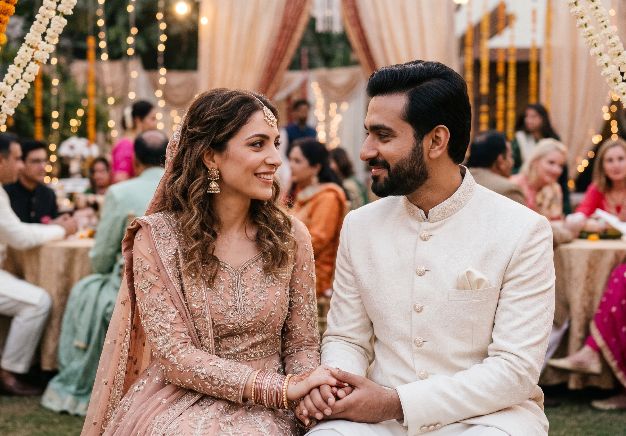
Love knows no borders, and a beautiful wedding story from Pakistan has once again highlighted how relationships can bring people from different countries and cultures together. An Italian bride recently arrived in Lahore to marry her Pakistani partner, Nabeel Awan, after a friendship that began on Instagram six years ago blossomed into love.The heartwarming story has drawn attention because it shows how an online connection can lead to a lifelong commitment when two people share understanding and a desire to build a future together.Six Years of Friendship Lead to a New BeginningAccording to reports, the couple first connected on Instagram six years ago. What began as a simple online friendship gradually developed into a meaningful relationship. When the Italian bride arrived at Lahore Airport, Nabeel Awan's family welcomed her warmly. Their reception reflected the traditional Pakistani spirit of hospitality, where welcoming a new family member is a happy, exciting celebration.After both families gave their consent and the necessary legal requirements were fulfilled, the couple celebrated their marriage. A wedding reception was also arranged at a local hotel in Kallar Kahar, where the groom's family members, relatives, and friends gathered to share in their happiness.A Marriage Built on Understanding and CompanionshipOne of the most touching aspects of this wedding story is that both the bride and groom have hearing impairments. According to their families, the couple is extremely happy to have found each other and begin this new chapter of their lives together.Their marriage serves as a reminder that a strong relationship is not defined by superficial differences or social expectations. Instead, mutual respect, emotional connection, understanding, and companionship can play an important role in bringing two people closer.For many couples, marriage is about finding someone who accepts them as they are and stands beside them through life's challenges. This couple's journey highlights the importance of finding a partner with whom one can share happiness, responsibilities, dreams, and plans.When Online Connections Become Lifelong CommitmentsIn today's digital world, social media platforms have changed the way people meet and form relationships. Instagram and other online platforms allow individuals to connect with people they might never have encountered in their everyday lives.However, turning an online friendship into a successful marriage requires more than simply meeting someone on the internet. Trust, honesty, compatibility, shared values, and a clear understanding of one another's expectations are essential when two people decide to take their relationship forward.The story of the Italian bride and Nabeel Awan illustrates how a friendship can develop into a serious commitment over time. Their six-year journey also highlights the importance of patience and giving a relationship time to grow before making a lifelong decision.For those looking for a life partner, the story offers a hopeful reminder that meaningful connections can develop in unexpected ways. What matters most is finding someone with whom you can build a relationship based on sincerity, respect, and a shared vision for the future.Finding Your Life Partner: Every Love Story Begins SomewhereEvery marriage has its own story. Some couples meet through family introductions, while others find their partners through friends, educational institutions, workplaces, or social media. Regardless of how a relationship begins, the ultimate goal is to find a compatible partner with whom to build a happy and fulfilling married life.For people who are ready to take the next step towards marriage, Dil Ka Rishta offers a platform focused on serious matrimonial connections. It helps individuals and families explore potential matches while keeping compatibility, family values, and marriage intentions at the centre of the search. 

Read More
True Love Is Priceless: Finding a Life Partner Who Values You Social

True Love Is Priceless: Finding a Life Partner Who Values You

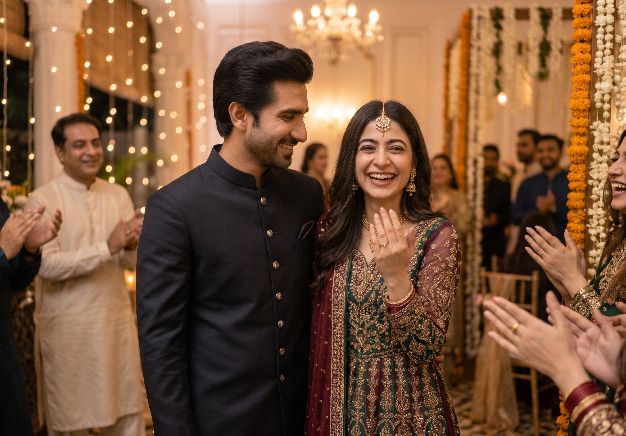
True love is not always about expensive gifts or grand celebrations. Sometimes, it is about the effort someone is willing to make to bring happiness to the person they love. A heartwarming story about a young man who searched for gold in a river to propose to his beloved has captured attention, offering a beautiful reminder of the lengths people can go to express their feelings.While the gesture is unusual, the message behind it is familiar to anyone who believes in love. When a person genuinely wants to spend their life with someone, even the smallest efforts can carry deep meaning. This story also highlights an important aspect of marriage: the value of sincerity, dedication, and the willingness to make an effort for a lifelong relationship.Marriage Is About More Than a Beautiful ProposalA memorable proposal may mark the beginning of a new chapter, but the real journey begins after two people decide to build a life together.Marriage brings happiness, companionship, and emotional support, but it also requires patience and compromise. Every couple experiences different challenges, and the strength of their relationship often depends on how they face those challenges together.Small acts of care can make a significant difference in married life. Listening to a partner's concerns, respecting their opinions, supporting their ambitions, and sharing responsibilities are all expressions of love. These everyday efforts often become more valuable than the grand gestures made at the beginning of a relationship.The young man's story offers an opportunity to reflect on this deeper meaning of love. Searching for gold may be an extraordinary way to prepare for a proposal, but showing kindness, loyalty, and respect throughout married life is an even greater expression of commitment.Finding the Right Life Partner Makes a DifferenceEvery person dreams of finding someone with whom they can share their happiness, worries, ambitions, and plans. However, finding a suitable life partner is not always easy.People have different expectations when it comes to marriage. Some prioritize education and professional achievements, while others place greater importance on family values, personality, religious beliefs, or compatibility. For a marriage to flourish, it is important to find someone whose values and expectations align with one's own.Love can bring two people closer, but mutual understanding and shared values can help them build a lasting relationship. This is why choosing a life partner deserves careful consideration rather than being treated as a decision based solely on appearances or temporary emotions.A meaningful marriage begins when two people recognize each other's worth and are willing to work together towards a shared future.Dil Ka Rishta: Helping You Find a Meaningful ConnectionJust as the young man in this story made an effort to find a special way to express his love, finding the right life partner also requires thought, patience, and sincere intentions.For individuals and families looking for a suitable marriage proposal, Dil Ka Rishta offers a platform dedicated to serious matrimonial connections. It helps people explore potential matches while considering important preferences such as education, profession, location, family background, and personal values.Whether you are looking for a partner for yourself or searching for a suitable rishta for your son or daughter, finding someone with compatible expectations can be an important first step towards a happy married life.With Dil Ka Rishta, individuals and families can take a step towards finding a suitable match with marriage as their goal.The story of a young man searching for gold to propose to his beloved reminds us that genuine affection often inspires extraordinary efforts. Yet, the true beauty of marriage lies in what happens after the proposal is accepted.A precious gift may make a moment unforgettable, but love, trust, respect, and commitment help make a marriage meaningful. The strongest relationships are built when both partners continue to choose each other, support one another, and work together through every phase of life.If you or your family are looking for a suitable life partner, Dil Ka Rishta can help you take the first step towards a meaningful matrimonial connection.

Read More
Love Marriage or Arranged Marriage: What Works Best in Modern Pakistan? Social

Love Marriage or Arranged Marriage: What Works Best in Modern Pakistan?

Marriage is one of the most important decisions in a person's life. In Pakistan, where family values, cultural traditions, and social expectations play a significant role, choosing a life partner is not always a decision made by two individuals alone. Families are often involved in the process, and their opinions can influence the final choice. However, as society changes, young Pakistanis are increasingly thinking about compatibility, personal preferences, emotional connection, and mutual understanding when choosing a spouse. This has raised an important question: Love marriage or arranged marriage which approach works best in modern Pakistan?Understanding Love Marriage in Pakistani SocietyLove marriage is a relationship in which two individuals develop an emotional connection and decide to marry after getting to know each other. They may meet through education, work, mutual friends, social gatherings, or other circumstances. In many cases, the couple chooses their partner first and then seeks approval from their families.One of the main advantages of love marriage is that the individuals may already understand each other's personalities, interests, and expectations. They have often spent time discussing their goals, values, and plans for the future. This familiarity can help them develop trust and emotional closeness before marriage.However, love marriage also comes with challenges. Sometimes, couples discover differences in their lifestyles, financial expectations, family values, or long-term goals after marriage. Emotional attachment alone cannot guarantee a successful relationship. Family disagreements may also create difficulties, particularly when parents have concerns about compatibility, cultural differences, or family backgrounds.For this reason, couples need to look beyond romantic feelings and consider whether they are prepared to share responsibilities and manage the practical realities of married life.Understanding Arranged Marriage in PakistanArranged marriage remains an important part of Pakistani society. In this approach, families, relatives, or matchmaking services help individuals find suitable marriage proposals. Parents may consider education, profession, family background, values, religious preferences, and financial stability when evaluating a potential match.One advantage of arranged marriage is the involvement of families who may offer guidance and support throughout the process. Parents and elders can help individuals evaluate important aspects of a proposal that might otherwise receive less attention. Family involvement can also help both households build a relationship before the wedding.However, arranged marriage is not automatically successful simply because families approve of the match. If individuals have little opportunity to communicate before marriage, they may struggle to understand each other's personalities, expectations, or plans. Family pressure can also lead to decisions that do not reflect an individual's wishes.A successful arranged marriage therefore requires more than family approval. Both individuals must have the freedom to make their own decisions, ask important questions, and determine whether they are comfortable with the proposed relationship.What Matters More Than the Type of Marriage?The success of a marriage cannot be determined solely by whether it begins with love or through an arranged proposal. A relationship needs several important foundations.Both partners should value each other's opinions, boundaries, ambitions, and individuality. Couples should feel comfortable discussing difficult subjects rather than avoiding disagreements until they become serious problems.Understanding each other's personalities, emotional needs, and ways of expressing affection can help build a stronger relationship. Decisions about finances, careers, children, household responsibilities, and family involvement should be discussed before marriage.Both individuals must be willing to marry. Consent should never be replaced by family pressure, social expectations, or fear of disappointing others. Marriage involves adapting to changing circumstances, resolving disagreements, and supporting each other through different stages of life.These factors are important regardless of how a couple meets or who initially suggests the match.Finding the Right Life Partner in Modern PakistanDuring Pakistan's wedding season, conversations about marriage often become more frequent. Weddings can bring happiness and excitement, but they may also create pressure for people who are searching for a suitable partner or whose families are waiting for them to settle down.Instead of rushing into a decision because friends or relatives are getting married, individuals should take time to understand their own priorities. They should consider the qualities that matter most in a spouse and distinguish between essential values and preferences that may be flexible.Families can also make the process easier by listening to their children's expectations, avoiding unnecessary comparisons, and allowing prospective partners sufficient time to communicate. Whether a proposal comes through relatives, friends, or a matrimonial platform, the objective should be to find a compatible partner rather than simply complete a wedding.Matchmaking services can help individuals and families explore suitable proposals according to their preferences. However, a service can facilitate introductions; the decision to marry should always be based on mutual understanding, compatibility, and consent.The Right Match Matters More Than the MethodLove marriage and arranged marriage both have a place in modern Pakistan. Each approach offers different opportunities and challenges, and neither can guarantee a successful married life. Love can create an emotional connection, while family guidance can provide support and a broader perspective. Both can be valuable when accompanied by mutual respect, honest communication, and freedom of choice.Ultimately, the most important question is not whether a marriage is based on love or arranged through family involvement. It is whether two people understand each other, share compatible expectations, and genuinely want to build a life together.A successful marriage begins not with the label of love marriage or arranged marriage, but with the choice of a compatible partner and a commitment to building a respectful relationship.

Read More
Divorce and Remarriage in Pakistan: Breaking Social Barriers Social

Divorce and Remarriage in Pakistan: Breaking Social Barriers

Marriage is considered a sacred bond in Pakistani society, bringing two individuals together with the expectation of a lifelong commitment. But what happens when one of the partners is divorced? While divorce and remarriage may not be considered unusual in many parts of the world, they remain sensitive and often controversial subjects in Pakistan. Differences between social attitudes and religious teachings can create significant challenges for divorced women who wish to rebuild their lives and find a new life partner.This blog explores the difficulties divorced women face in Pakistani society, the social attitudes that contribute to these challenges, and the role that society and religious institutions can play in creating a more accepting environment.Differences Between Pakistani Social Norms and Religious TeachingsPakistani society often reflects a considerable gap between cultural traditions and religious teachings. Women may face social pressure to marry within their social class, religious community, and family background. These expectations can make finding a suitable life partner particularly challenging for divorced women.Unfortunately, some people view divorced women as damaged or undesirable, treating them as if their previous marriage has diminished their worth. Such attitudes are not only unfair but also harmful to women's dignity and self-confidence.Women in Pakistan are often expected to fulfil specific roles within marriage and family life. In some traditional households, an ideal wife is expected to obey her husband without question and prioritise his needs over her own ambitions. Whether a woman wishes to pursue higher education, develop her career, or make independent decisions, she may face criticism for placing importance on her personal growth.These expectations can become even more restrictive for divorced women, who may already be dealing with emotional challenges and social judgement. However, religious teachings emphasise dignity, fairness, and respect for individuals. Divorce does not diminish a woman's worth, nor does it take away her right to seek happiness and companionship again.How Social Attitudes Affect Divorced WomenDivorced women in Pakistan often encounter several social and emotional challenges when considering remarriage. One of the most significant barriers is the stigma associated with divorce. In many communities, divorce is viewed as a personal failure rather than a possible outcome of an incompatible or unhealthy marriage.Women are frequently held responsible for the breakdown of a marriage, even when the circumstances are complex or the responsibility lies with both partners. As a result, a divorced woman may face criticism, humiliation, and unwanted questions about her past.Finding a suitable life partner can consequently become a difficult and emotionally exhausting process. Some families hesitate to consider a divorced woman for their sons, fearing criticism from relatives or concerns about social reputation. Even when a man is willing to marry her, he may face resistance from his family and community.Such attitudes overlook an important fact: a person's marital history does not determine their character, values, or ability to build a healthy relationship. Every individual deserves the opportunity to move forward and make decisions about their future without being unfairly judged for the past.Advantages and Challenges of Marrying a Divorced WomanLike any marriage, a relationship with a divorced woman has its own circumstances, expectations, and considerations. Rather than making assumptions based on marital status, it is more useful to understand the individual and the experiences that have shaped her life.Potential AdvantagesA divorced woman may have gained valuable life experience through her previous marriage. She may have a clearer understanding of her expectations, personal boundaries, and the qualities she values in a life partner.Her experiences may also help her recognise the importance of communication, mutual respect, emotional maturity, and shared responsibility in a marriage. Having faced difficult circumstances, she may have developed resilience and greater independence.However, these qualities are not exclusive to divorced women. Every individual has a different personality and life experience, and compatibility depends on the people involved rather than their marital history alone.Challenges to ConsiderSome divorced women may have experienced emotional distress, disappointment, or a loss of trust during their previous marriage. As a result, they may need time, patience, and reassurance before feeling comfortable entering another relationship.A prospective partner should approach such circumstances with understanding rather than judgement. Open communication, emotional support, and realistic expectations can help both individuals build trust and establish a healthy foundation for their future together.Family opposition may also create difficulties. A couple may need to address concerns about their previous relationships, family responsibilities, children, or other practical matters. These issues should be discussed respectfully and honestly before marriage.Ultimately, a successful marriage depends on mutual understanding, commitment, compatibility, and respect. A person's divorce history alone cannot determine whether a future marriage will succeed or fail.The Role of Society and Religion in Changing PerceptionsIn Pakistan, remarriage after divorce is sometimes treated as a source of embarrassment for the family rather than an individual's personal choice. Some people assume that a divorced woman must have done something wrong to deserve her circumstances. Such assumptions can reinforce discrimination and prevent women from moving forward with confidence.Religious teachings, however, provide a different perspective. Islam permits divorce under certain circumstances and recognises remarriage as a legitimate choice. A divorced woman should not be deprived of respect or the opportunity to establish a new family simply because her previous marriage ended.Religious scholars, community leaders, and family elders can play an important role in addressing misconceptions about divorce and remarriage. By promoting accurate religious understanding, they can help families distinguish between cultural prejudices and religious principles.Families also have a responsibility to support their daughters, sisters, and other relatives who have experienced divorce. Instead of treating remarriage as a matter of family honour, they can focus on the individual's happiness, safety, compatibility, and long-term well-being.A more supportive society would allow divorced women to make informed decisions about their futures without facing unnecessary humiliation or social exclusion.

Read More
Understanding Child Marriage in Sindh: The Need for Awareness and Action Social

Understanding Child Marriage in Sindh: The Need for Awareness and Action

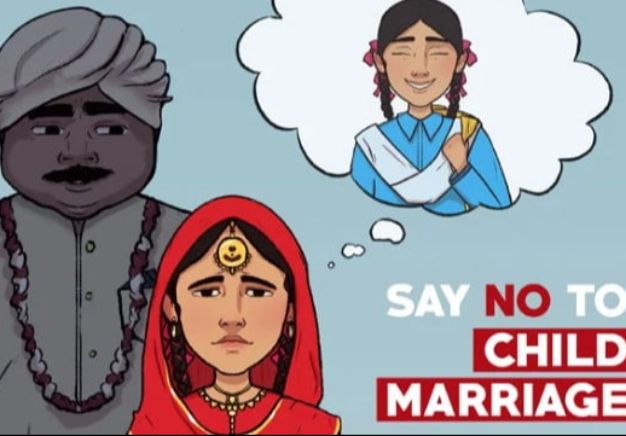
Marriage is one of the most important decisions in life, requiring emotional maturity, responsibility, and an understanding of future commitments. However, child marriage remains a significant social issue in Pakistan, affecting children's education, health, personal development, and future opportunities. Recent attention to statistics on child marriage in Sindh highlights the need to protect children's rights and create better opportunities for young people.What Do the Statistics Reveal About Child Marriage in Sindh?According to the report The State of Children in Pakistan 2024, prepared by the National Commission on the Rights of the Child in collaboration with UNICEF, child marriage continues to be an important concern in Pakistan.The reported statistics show that in Sindh, 24.7% of women aged 20–24 had been married before reaching the age of 18. Similarly, 7.5% of girls had been married before completing the age of 15.The report also provides statistics on early marriage among men. According to the available figures, 8.5% of men in Sindh had married before the age of 18, while 2.2% had married before completing the age of 15.These figures highlight that child marriage is not limited to girls, although girls may experience particularly serious consequences because of early pregnancy, health risks, interrupted education, and unequal social expectations.It is important to note that the figures for Sindh are based on data from the Multiple Indicator Cluster Survey (MICS) 2018–19. Therefore, they should not be interpreted as the current prevalence of child marriage in 2026. Instead, they provide insight into the situation during the survey period and underline the importance of continued research and effective prevention measures.Why Does Child Marriage Occur?Child marriage is influenced by several interconnected social, economic, and cultural factors. Poverty is one of the major challenges. Families facing financial difficulties may view early marriage as a way to reduce economic pressure or fulfil perceived social responsibilities.Limited access to education is another important factor. When children, particularly girls, cannot continue their education because of financial difficulties, a lack of educational facilities, or restrictive social attitudes, their opportunities for personal and professional development become limited.Social expectations and gender inequality can also contribute to early marriage. In some communities, girls may be expected to marry at a young age rather than pursue higher education or develop independent career opportunities. Boys may also face pressure to accept adult responsibilities before they are emotionally or financially prepared.Addressing child marriage requires an understanding of these underlying causes rather than placing the entire responsibility on individual families. Economic support, accessible education, community awareness, and effective legal protection are all essential to bringing lasting change.How Does Child Marriage Affect Children's Futures?Child marriage can have long-term consequences for education, physical health, emotional well-being, and social development.One of the most immediate effects is the disruption of education. Children who marry early may struggle to continue their studies because of household responsibilities, financial pressures, or family expectations. Leaving school early can reduce their chances of obtaining higher education, securing stable employment, and achieving financial independence.For girls, early marriage may also increase health risks, particularly when pregnancy occurs during adolescence. Young mothers may face additional physical and emotional challenges while managing responsibilities for which they may not be adequately prepared.Boys can also experience difficulties after marrying at a young age. Expectations to earn a living, support a household, and meet family responsibilities can create significant stress. These pressures may interfere with their education, career development, and emotional growth.Marriage involves more than establishing a relationship. It requires communication, mutual respect, financial planning, emotional maturity, and the ability to make responsible decisions. Giving young people sufficient time to develop these skills can help them build healthier and more stable relationships in adulthood.The Role of Parents and FamiliesParents and families have an important role in preventing child marriage. Decisions about children's futures should consider their education, well-being, personal development, and individual aspirations.Instead of placing pressure on children to marry early, families should encourage them to complete their education and develop the knowledge and skills needed for adult life.Open communication between parents and children is equally important. Young people should have opportunities to express their concerns, discuss their ambitions, and participate in conversations about decisions that affect their futures.Families also need access to reliable information about the consequences of child marriage and the importance of children's rights. Community support can help parents understand that investing in education and personal development can create better long-term opportunities for their children.Education and Awareness Can Help Bring ChangePreventing child marriage requires coordinated efforts from government institutions, educational organisations, community leaders, families, and the media. The government must ensure that applicable child protection laws are effectively implemented and that families have access to information about legal requirements and children's rights. Reliable and updated data are also necessary to understand the scale of the problem and identify communities that need additional support.Educational institutions can contribute by teaching students about personal development, health, their legal rights, and the importance of continuing education. Providing financial assistance and improving access to schools can also help reduce the economic and practical barriers that prevent children from completing their studies.The media has an important role in raising awareness and encouraging public discussion. Newspapers, television programmes, online publications, and social media campaigns can explain the consequences of child marriage and highlight the importance of education and child protection.However, awareness campaigns should approach the issue sensitively. Rather than blaming families, they should explain the social and economic pressures that contribute to early marriage and provide information about available support and practical solutions.

Read More
Wedding Season and the Reign of Smog in Pakistan Social

Wedding Season and the Reign of Smog in Pakistan

In Pakistan, the wedding season usually begins in October, as the summer heat fades. However, over the past decade, Punjab, particularly Lahore, has witnessed another season arriving alongside the celebrations: smog season. While weddings bring joy, colours, and festivities, smog brings air pollution, health concerns, and environmental challenges that affect millions of people.Smog is a form of air pollution that often appears as a yellowish or dark haze in the atmosphere. It consists of tiny particles and pollutants that combine with gases, moisture, and other substances in the air. Industrial emissions, vehicle exhaust, and the burning of garbage release harmful pollutants, including sulphur dioxide and nitrogen oxides. When these pollutants interact with sunlight, they contribute to the formation of smog. During winter, low wind speeds and certain atmospheric conditions prevent pollutants from dispersing, allowing smoke and fog to accumulate and worsen air quality.The effects of smog on human health can be serious. It can aggravate asthma and other respiratory conditions, cause breathing difficulties, irritate the eyes and throat, and increase the risk of respiratory infections. Prolonged exposure to polluted air can also affect overall well-being. The environment suffers as well, as air pollution can damage plants, affect their growth, and harm crops and forests.Lahore's Beauty and the Growing Threat of SmogSmog has increasingly become a major concern for Lahore and its residents. Severe air pollution affects daily life, threatens public health, and damages the city's image. Industrial activity, vehicle emissions, crop residue burning, construction dust, and other sources contribute to the problem. The responsibility for addressing it lies with government institutions, industries, businesses, and citizens alike.Lahore's residents are known for their love of celebrations, music, and lively wedding festivities. Yet it is important to ask whether our desire for grand celebrations sometimes comes at the cost of our own health and the well-being of those around us. Enjoying a wedding should not require us to overlook the environmental consequences of excessive consumption and unnecessary activities.A New Beginning with a Greener MindsetAs the wedding season approaches, families can make thoughtful choices by reducing unnecessary functions, avoiding food waste, using resources responsibly, and encouraging guests to travel together where practical. Wedding venues and service providers can also contribute by managing waste properly, reducing excessive energy use, and avoiding practices that add to air pollution.No single wedding or individual decision can solve Lahore's smog crisis. Meaningful progress requires consistent environmental policies, effective enforcement, cleaner transport, responsible industrial practices, and public cooperation. Nevertheless, small changes in our social habits can support a broader culture of environmental responsibility.The true beauty of a wedding lies in the happiness it brings, the relationships it strengthens, and the memories it creates. By celebrating responsibly, we can welcome a new chapter in life without placing an unnecessary burden on our environment.This wedding season, let us remember that a new beginning should also mean a better future. After all, what is the value of a beautiful celebration if the air we breathe continues to threaten our health and the lives of future generations?

Read More
The Importance of Family Guidance in Modern Marriages Social

The Importance of Family Guidance in Modern Marriages

Marriage brings together two individuals with different personalities, habits, interests, and expectations. While love and commitment form the foundation of a relationship, differences in lifestyle and preferences can sometimes create tension between spouses. A recent case from Sharjah highlighted how even seemingly small disagreements can become serious challenges if not addressed properly.According to reports, a woman in Sharjah sought a divorce because her husband was not interested in taking her out for leisure activities, travel, or entertainment. She explained that her husband preferred staying at home and rarely showed interest in going on outings with her. However, she also described him as a generous, patient, and kind-hearted partner. This suggests that the issue was not related to abuse, dishonesty, or poor treatment, but rather a difference in lifestyle expectations.The case was referred to Sharjah's Family Guidance Department, where counselors encouraged the woman to reconsider her decision and explore alternatives instead of ending the marriage. They advised that not every disagreement should be turned into a legal dispute, especially when there are no major problems affecting the relationship. Experts pointed out that differences in hobbies, social activities, and entertainment preferences can be managed through understanding, communication, and compromise.This case highlights the growing importance of family guidance and marital counseling services in modern society. Many marital conflicts arise not because couples lack love or respect for each other, but because they struggle to communicate their expectations effectively. A trained counselor can help both partners understand each other's perspectives and find practical solutions that satisfy both sides.Family guidance institutions play an important role in preventing unnecessary divorces. They provide a neutral environment where couples can discuss their concerns openly without fear of judgment. Counselors help identify the root causes of disagreements, improve communication skills, and encourage healthy compromise. In many cases, couples discover that their problems are not as severe as they initially believed.These institutions also educate couples about emotional intelligence, conflict resolution, and relationship management. Many misunderstandings can be resolved when partners learn how to express their feelings respectfully and listen to one another with empathy. Such guidance helps strengthen trust and promotes a healthier family environment.The impact of family counseling extends beyond individual couples. Stronger marriages contribute to stronger families and more stable communities. When couples resolve their conflicts peacefully, children benefit from a secure home environment, and society experiences lower rates of family breakdown. As a result, family guidance centers can play a significant role in reducing divorce rates and promoting long-term marital stability.The Sharjah case serves as a reminder that differences between spouses are normal. One partner may enjoy traveling and social activities, while the other may prefer a quiet life at home. These differences do not necessarily mean that a marriage is failing. What matters is how couples respond to those differences. Through communication, mutual respect, compromise, and professional guidance when needed, many relationships can overcome challenges and become even stronger.In today's fast-changing world, family guidance services are becoming increasingly valuable. Rather than viewing divorce as the first solution to every disagreement, couples can benefit from seeking advice, understanding each other's needs, and working together to build a more fulfilling relationship. Often, the right guidance at the right time can save a marriage and help couples create a happier future together.

Read More
Nikah Nama: Why Is It Important to Understand Every Clause? Social

Nikah Nama: Why Is It Important to Understand Every Clause?

A Nikah Nama, or marriage contract, is an important legal document completed at the time of marriage. It records the basic details of the bride and groom and outlines important rights, responsibilities, and conditions agreed upon by both parties. In Pakistan, the Nikah Nama for Muslim couples is prepared under the Muslim Family Laws Ordinance, 1961. After the marriage, the marriage is registered through the relevant authorities, and a Marriage Registration Certificate is issued. Because the Nikah Nama can have important legal implications, both the bride and groom and their families should read and understand all of its clauses before signing it.Clauses 1 to 6: Basic Information of the Bride and GroomClauses 1 to 6 contain the basic information of the bride and groom, including their names, fathers' names, addresses, and other personal details. The information entered in these sections should be checked carefully to make sure that there are no spelling mistakes or incorrect details. The age of both parties is also recorded in the Nikah Nama, making it particularly important to ensure that the information is accurate and complies with the applicable marriage laws.Clauses 7 to 11: Information About Attorneys and WitnessesClauses 7 to 11 contain information about the representatives, or wakeels, appointed by the bride and groom, as well as the witnesses to the marriage. These details are an important part of the marriage contract because the witnesses and other parties involved in the Nikah are formally recorded in the document. The names and other information should therefore be checked carefully before the Nikah Nama is signed.Clause 12: Date of MarriageClause 12 records the date on which the marriage takes place. Although it may appear to be a simple detail, the marriage date is an important part of the couple's official legal record. Therefore, the date should be entered correctly and checked before the document is finalized.Clauses 13 to 17: Details of Haq MehrClauses 13 to 17 cover Haq Mehr, one of the bride's most important financial rights. These sections record the agreed amount of Haq Mehr. If the Mehr is given in the form of jewelry, property, or another asset, its relevant details and value should also be clearly mentioned. Since Haq Mehr can provide financial security to the bride, both families should understand exactly what has been agreed upon rather than treating these clauses as a mere formality.Haq Mehr can generally be prompt or deferred. Prompt Mehr, known as Mu'ajjal, refers to the amount that is payable at the time of marriage, while deferred Mehr, known as Ghair Mu'ajjal, refers to an amount whose payment is postponed according to the agreed terms. Clause 15 records information about any portion of the Mehr that has already been paid. Clause 16 deals with property or other assets given to the bride, while Clause 17 records conditions related to the payment of Haq Mehr. These clauses should be completed carefully so that there is no confusion about the bride's financial rights later.Clauses 18 and 19: Right of DivorceClauses 18 and 19 deal with the delegation of the right of divorce to the wife, commonly referred to as Talaq-e-Tafweez. These clauses deserve particular attention because they can have legal significance for the wife. Instead of leaving the relevant sections blank or treating them as a routine part of the form, the bride and groom should understand what is written in them and what the stated conditions mean. If a woman later wants to end the marriage, the legal options and procedures available to her can depend on the circumstances and applicable family laws. Therefore, these clauses should be discussed and completed carefully.Clause 20: Maintenance and Other ConditionsClause 20 concerns agreements relating to maintenance, financial support, and other conditions between the husband and wife. The parties may also agree on certain matters concerning the wife's education, employment, residence, or other responsibilities and rights after marriage, where legally permissible. Any agreed conditions should be clearly understood and properly recorded rather than relying only on verbal promises.Clauses 21 and 22: Marital StatusClauses 21 and 22 contain information regarding the marital status of the bride and groom. This is particularly important when the groom has previously been married. Under Pakistani family law, a man who wishes to contract another marriage while already married is required to follow specific legal procedures. Therefore, accurate information about marital status should be provided, and the relevant legal requirements should be understood before the marriage takes place.Clauses 23 to 25: Nikah Khawan, Registration and SignaturesThe final clauses contain information about the Nikah Khawan and marriage registration, along with details of the relevant fees. The document is completed with the signatures of the bride, groom, witnesses, Nikah Khawan, and marriage registrar, as applicable. Marriage registration is an important legal step because it creates an official record of the marriage and allows the couple to obtain the relevant Marriage Registration Certificate.A Nikah Nama should never be treated as simply a document to be signed during the wedding ceremony. It is an important marriage contract containing information about the couple, Haq Mehr, financial arrangements, marital status, and other agreed conditions. Taking the time to read every clause and understand its meaning can help both spouses protect their rights and avoid misunderstandings in the future.

Read More
Marriage, Expectations, and Endless Opinions! Social

Marriage, Expectations, and Endless Opinions!

In Pakistani society, when a woman gets married, she often begins hearing comments and advice that unmarried women rarely encounter. From unsolicited suggestions to judgmental remarks, newly married women frequently find themselves at the center of endless discussions. Marriage is one of the most significant milestones in a person's life. Still, in traditional societies, it is often viewed as a major adjustment for women, requiring them to adapt to an entirely new environment.Across South Asian countries, including Pakistan, marriage is commonly associated with increased domestic responsibilities for women. While men are often seen as independent decision-makers, women are expected to manage household affairs and depend on others in many aspects of their lives. After marriage, women may face criticism from relatives, expectations from their spouses, and scrutiny from in-laws. Alongside these pressures comes a constant stream of advice and personal comments. Let's explore some of the common things Pakistani women are often expected to hear after marriage.“You Don't Look Married!”In many parts of Pakistani society, people associate marriage with a particular style of dressing and appearance. If a woman continues to dress the same way she did before marriage or does not adopt a more traditional look, she may hear remarks such as:"Why haven't you changed your dressing style after marriage?" "How do you still find time for these activities after getting married?".There is often an expectation that married women should immediately adopt a more conventional appearance and lifestyle.“How Do You Balance Your Career and Home Life?”Working women are frequently asked questions like:"How do you manage both your professional and personal life?""Doesn't your career affect your married life?"Why don't you stay home and focus on household responsibilities?"Despite tremendous progress in education and workplace opportunities for women, many still face questions that imply a successful marriage and a professional career cannot coexist.“Can You Even Do Household Chores?”Another common assumption is that a married woman should naturally be skilled at cooking, cleaning, and managing a household. Questions such as:"Do you know how to cook?"Can you handle all the housework?"How are you managing if you don't know these things?"are often directed toward newly married women. Such comments reinforce the belief that domestic responsibilities are solely a woman's duty, regardless of her personal or professional commitments.“When Are You Planning to Have a Baby?”Perhaps one of the most frequently asked questions after marriage concerns children. Newly married women often face inquiries like:"When are you planning to have a baby?"Why are you waiting so long?"In many families, the pressure to provide heirs falls disproportionately on women, making these personal questions both intrusive and stressful.Comments About Physical AppearanceMarriage often brings another form of unwanted attention: remarks about physical appearance. Women may hear comments such as:"Have you gained weight after marriage?" "You've become so thin!""You hardly come out anymore." "You don't look the same as before."These seemingly casual observations can be hurtful and contribute to unnecessary pressure regarding appearance and lifestyle choices.The Pressure to Keep In-Laws HappyMany women are expected to prioritize the happiness and comfort of their in-laws above everything else. They may constantly hear advice about being more accommodating, making sacrifices, or adjusting their behavior to meet family expectations. While maintaining healthy family relationships is important, the burden of keeping everyone happy often falls unfairly on women.Marriage should be a partnership built on mutual respect, understanding, and support. However, societal expectations and traditional stereotypes often place additional pressure on women, subjecting them to constant scrutiny and unsolicited advice. Recognizing these attitudes is the first step toward creating a more supportive and equitable environment where married women can live according to their own choices and aspirations.

Read More
Joint Family or Nuclear Family: Which Is Better After Marriage? Social

Joint Family or Nuclear Family: Which Is Better After Marriage?

Human beings are often described as social creatures. Most people do not want to live in isolation and, for many reasons, feel the need for family support throughout their lives. Around the world, two major family systems exist: the joint family system and the nuclear family system.In a nuclear family system, a person lives with their spouse and children as an independent household. In a joint family system, several families live together under one roof, usually under the guidance of a family head. While the nuclear family system is more common in most parts of the world, the joint family system remains prevalent in South Asian countries such as Pakistan and India, where multiple generations often share the same home.Over time, people's attitudes toward family structures have changed. Today, many people openly question the practicality of the joint family system, while others continue to support it. This blog explores the advantages and challenges of both systems to help couples make informed decisions after marriage.Advantages of the Joint Family SystemOne of the biggest social challenges in many developed and Western countries today is loneliness. As people increasingly choose independent lifestyles, social isolation has become more common. The joint family system, however, provides a strong sense of belonging and companionship.Whether it is a time of happiness or hardship, family members are there to support one another. Older family members can offer valuable advice, emotional support, and practical guidance based on their life experiences. This is especially beneficial for working couples, who often feel reassured knowing that trusted family members are available to help care for their children.Children raised in a joint family environment may also learn important social values such as sharing, cooperation, respect for elders, and responsibility toward younger family members. Living together allows them to develop stronger interpersonal skills and a deeper understanding of family relationships.Another significant advantage is financial stability. Since several families share living expenses, costs such as housing, utilities, and household necessities can be divided among multiple earners. In today's challenging economic conditions, this arrangement can make life more affordable and financially secure.Challenges of the Joint Family SystemWhile joint families offer many benefits, they can also present difficulties. In many households, the family head holds decision-making authority, which may limit other members' independence. Couples often feel that they cannot make important personal decisions freely. Privacy is another common concern. When multiple families share the same living space, individuals may struggle to maintain personal boundaries. Many people feel they cannot live according to their own preferences because others constantly influence their daily lives.Differences in personalities, values, and lifestyles can also lead to misunderstandings and conflicts. Disagreements among adults often affect children, while disputes between children can sometimes escalate into tensions among parents. As a result, the home environment may become stressful rather than peaceful. Problems can become even more pronounced when responsibilities are not shared fairly. If some family members contribute less while benefiting equally from shared resources, resentment may develop among others. Those who prefer a peaceful life may find themselves drawn into family politics and disputes against their wishes.What Do Islamic Teachings Suggest?Islam does not explicitly require either a joint family system or a nuclear family system. However, Islamic teachings place great importance on privacy, individual rights, and clear responsibilities. Historical accounts indicate that the wives of Prophet Muhammad (PBUH) had separate living quarters, suggesting the importance of maintaining privacy within family life. Islam also emphasizes modesty and the observance of hijab, which can become more challenging in some joint family arrangements where non-mahram relatives are present.Financial responsibilities are another important consideration. In some joint family systems, financial contributions and obligations may not always be clearly defined, potentially leading to misunderstandings or feelings of unfairness among family members. Furthermore, parents may find it more difficult to exercise complete responsibility for the upbringing of their children when many people influence the household environment. Islam encourages accountability and personal responsibility, principles that can sometimes be harder to maintain in a large, shared family structure.That said, the joint family system is not prohibited in Islam. If family members can maintain mutual respect, ensure privacy, fulfill responsibilities fairly, and avoid conflicts, living together can be a positive and rewarding experience. There is no single answer to whether a joint family system or a nuclear family system is better after marriage. The right choice depends on the personalities, expectations, financial circumstances, and family dynamics involved.A joint family can provide emotional support, companionship, and financial benefits, while a nuclear family often offers greater privacy, independence, and freedom in decision-making. Couples should carefully evaluate their own needs and circumstances before deciding which family structure is best for them. Ultimately, a successful family life depends less on the type of family system and more on mutual respect, understanding, responsibility, and effective communication among all family members.

Read More
The Silent Burden of Late Marriage for Pakistani Women Social

The Silent Burden of Late Marriage for Pakistani Women

In Pakistan, delayed marriage is often viewed as a source of embarrassment rather than a personal life choice. There are many reasons behind the increasing age of marriage among women, but one of the most significant is the country's economic situation. Pakistani weddings are often associated with extravagant spending, which places a heavy financial burden on families. As a result, many parents spend years saving money for their daughters’ marriages, and by the time they feel financially prepared, a considerable amount of time has already passed. Another important reason is the difficulty of finding a suitable match. Parents often want a prospective spouse who is compatible with their daughter in every aspect, which can further delay the marriage process.In Pakistani society, delayed marriage can lead to several challenges for women. It not only affects their fertility and chances of having children but also exposes them to immense social pressure. Women who marry later in life often face constant questions, criticism, and judgment from relatives and society. This pressure can negatively impact their mental health, leading to anxiety, stress, depression, and a decline in self-confidence.Traditional social norms can make these challenges even more difficult. Many conservative families do not encourage their daughters to become financially independent or pursue careers. However, when marriage is delayed and women seek employment to support themselves, they may find limited opportunities due to age-related barriers in the job market. The combination of psychological, social, and economic difficulties, along with the ongoing search for an ideal match, can make delayed marriage a distressing experience for many women.It is important to recognize and respect the rights that women have been granted. A woman's increasing age should never take away her right to choose a life partner according to her own preferences and values. Society needs to move beyond outdated stereotypes and create an environment where women are valued for their abilities, character, and choices rather than their marital status.In this regard, Dil Ka Rishta has emerged as a modern solution for individuals seeking meaningful relationships. The app is designed to address many of the challenges faced by people looking for a suitable life partner. Unlike many other matchmaking platforms, Dil Ka Rishta offers advanced features that make the search process easier, more secure, and more personalized. It helps users find not just a spouse, but a compatible partner who shares their values, preferences, and life goals.In conclusion, delayed marriage can have significant psychological, social, and economic effects on women. Therefore, there is a need to build a society that not only understands women's rights but also actively supports and protects them. By promoting awareness, reducing social pressure, and providing better opportunities, we can create a more inclusive environment where women can make life decisions with confidence and dignity.

Read More
Is the First Year of Marriage Really Difficult? Social

Is the First Year of Marriage Really Difficult?

Whenever someone gets married, one common piece of advice they hear is: “The first year of marriage is always difficult.” While this may sound like something older generations say, there is a lot of truth behind it. Although modern life has made many challenges easier to manage, marriage still comes with its own unique set of difficulties. Before marriage, you are used to living your life independently and making decisions on your own. Suddenly, after marriage, new responsibilities, relationships, and expectations become part of your daily life. Adjusting to these changes is not always easy, which is why many people believe that the first year of marriage can be challenging. But why is it so difficult? Let’s take a closer look.Understanding New ResponsibilitiesWhether the marriage is based on personal choice or arranged by family, it always brings new responsibilities. There was a time when you only had to think about yourself and make decisions according to your own wishes. However, once another person becomes a part of your life, you must consider their needs, feelings, and well-being as well.This responsibility applies equally to both husband and wife. The more care, understanding, and support they show toward each other, the stronger their relationship becomes. Building a meaningful partnership takes time, effort, and commitment from both sides.Social and Family PressureMarriage often changes the roles of both men and women in society and within their families. After marriage, people are expected to act with greater maturity, responsibility, and wisdom. They are also expected to play an active role not only in their own family but also in their spouse’s family.Before marriage, your primary responsibility is toward your own family. After marriage, you become connected to another family that may have its own expectations and traditions. Respecting elders, caring for younger family members, and maintaining responsible behavior are often considered important parts of married life. Adjusting to these expectations can take time and patience.Financial PressureMarriage also brings financial responsibilities. When two people start a life together, they often need to plan their finances more carefully. Society generally views a married couple as the foundation of a new family unit, which may require a separate home, household expenses, and long-term financial planning.As the family grows, so do its needs and responsibilities. Managing expenses, saving for the future, and maintaining financial stability can create pressure, especially during the early stages of marriage. It takes time for couples to develop a financial system that works for both of them.Family Planning ExpectationsAfter marriage, couples must make important decisions about family planning. One of the most common pressures newlyweds face is the expectation of having children soon after marriage. While starting a family is a personal decision that should be made jointly by husband and wife, relatives and family members are often eagerly waiting for “good news.” In many cultures, especially in South Asian societies, questions about children begin shortly after the wedding. Learning how to handle these expectations and setting personal boundaries can be challenging for many newly married couples.How Can Couples Handle These Challenges?The first thing to remember is that difficulties are usually temporary. Most challenges become easier to manage with time, understanding, and experience. There is no need to panic if the early months of marriage feel overwhelming. It is also important to realize that you are not alone. Even couples who have known each other for years before marriage often discover that living together is very different from dating or interacting occasionally. If you are considerate, responsible, and willing to understand your spouse’s feelings, many obstacles become easier to overcome. Empathy and communication are among the most important qualities for a successful marriage.Although many aspects of a person’s personality only become visible after marriage, it is still helpful to learn as much as possible about your future spouse before getting married. Understanding their values, habits, expectations, and goals can make the transition smoother.The first year of marriage can indeed be challenging, but it is also one of the most important periods for building trust, understanding, and companionship. Every challenge faced together becomes an opportunity to strengthen the relationship. With patience, mutual respect, and open communication, couples can successfully navigate the early stages of marriage and create a lasting bond that grows stronger over time.

Read More
Beyond Looks: What Truly Matters in a Successful Marriage? Social

Beyond Looks: What Truly Matters in a Successful Marriage?

Pakistan is home to nearly 22 million unmarried individuals, with a large number of men and women still waiting to find a suitable life partner. One of the reasons behind this growing issue is the presence of deeply rooted social attitudes, particularly in developing societies, where people often prioritize superficial standards over meaningful qualities. For a healthy and progressive society, it is important to challenge and move beyond such mindsets.One of the most common biases revolves around physical appearance. Instead of valuing a person's character, education, values, and personality, society often places excessive importance on skin color, body shape, and outward appearance. When marriage proposals are considered, many families reject potential matches based solely on looks, particularly in the case of women. As a result, countless deserving individuals remain unmarried despite possessing admirable qualities.The Pressure to Meet Society's Beauty StandardsIn an effort to fit society's expectations, many young women resort to unhealthy dieting rather than adopting a balanced lifestyle and regular exercise. The desire to appear thinner often leads to nutritional deficiencies and various health problems. Similarly, when it comes to skin tone, many people use chemical-laden whitening products without considering the potential harm they may cause.The underlying fear is simple: if a person does not meet society's definition of beauty, often associated with fair skin and a slim figure, they may not be considered suitable for marriage. Unfortunately, these unrealistic standards have become deeply ingrained in the marriage culture of many communities.Changing Attitudes Around the WorldAcross the world, particularly in developed countries, efforts have been made to challenge stereotypes related to body size and skin color. Today, plus-size models are featured in fashion campaigns, clothing brands offer a wider range of sizes, and major international brands increasingly choose models of diverse ethnicities and skin tones.As people are influenced by changing social trends, many have started recognizing that beauty comes in different forms. More importantly, there is growing awareness that health matters far more than appearance. Beauty is not defined by extreme thinness or pale skin. True beauty is closely linked to physical and mental well-being, and healthy individuals are better equipped to build strong families and meaningful relationships.Looking Beyond Body SizePeople who do not fit conventional beauty standards are often judged unfairly. Those who are overweight, for example, frequently face criticism and rejection, especially in the marriage process. Such experiences can be emotionally painful and may affect their self-confidence.However, many individuals who have faced social judgment often develop qualities that make them exceptional life partners. They tend to be more empathetic because they understand what it feels like to be hurt by others' comments. As a result, they are often more considerate, compassionate, and understanding toward the feelings of those around them.Many also possess a strong sense of humor and resilience. Having learned to navigate social criticism, they often approach life with positivity and bring joy to the people around them. In various cultures around the world, fuller body types are even considered attractive, proving that beauty standards are largely shaped by cultural perceptions rather than universal truths.What Truly Matters in Marriage?Countless positive qualities contribute to a successful marriage, and physical appearance is only one small aspect of a much larger picture. Unfortunately, many parents of overweight daughters experience significant emotional distress as they watch their highly educated, capable, and well-mannered children face repeated rejection because of their appearance.When choosing a spouse, it is important to remember that marriage is not merely about outward beauty. The person you marry becomes the foundation of your future family and plays a crucial role in shaping the next generation. Therefore, qualities such as character, emotional maturity, values, kindness, compatibility, education, and mutual respect should be given far greater importance than arbitrary social standards of beauty.Society needs greater awareness about the harmful effects of judging people based solely on their appearance. Every individual deserves to be valued for who they are rather than how closely they match unrealistic beauty ideals. A successful marriage is built on understanding, respect, trust, and compatibility, not on skin color or body size. By focusing on meaningful qualities instead of superficial standards, we can create healthier relationships and a more compassionate society.

Read More
Ending Child Marriage: Why the New Bill Matters Social

Ending Child Marriage: Why the New Bill Matters

Child marriage is an issue that has been deeply rooted in Pakistan’s social structure for decades. It is not merely a legal or judicial matter; it is a human tragedy hidden behind stories of suffering, suppressed emotions, and shattered dreams. Every child bride represents a silent cry that affects not only her own life but also her family and society as a whole.This issue cannot be understood through statistics alone, because behind those numbers lie heartbreaking realities. In Pakistan, approximately 19 million girls are married during childhood. Every sixth girl is deprived of her childhood, education, and freedom. Dreams that were yet to flourish and aspirations that were just beginning to take shape are often buried before they have a chance to grow.Many of these young girls are confined within the walls of their homes at an age when they should be learning, exploring, and building their futures. They are denied the opportunity to pursue education, understand life, and make decisions for themselves. According to available statistics, around 18% of girls are married before the age of 18, while 4% become brides before reaching the age of 15. Such marriages not only cause lifelong difficulties for these girls but also hinder the social and economic progress of society.For many years, efforts have been made to address this serious issue, and child marriage legislation has finally been introduced and approved. The bill has been passed by both the National Assembly and the Senate, marking an important step forward. However, real success will depend on the effective implementation of these laws.Ban on Child Marriage: Why Does It Matter?According to the Child Marriage Restraint Bill, the registration of marriages involving individuals under the age of 18 has been declared a criminal offense. Marriage registrars are legally prohibited from registering such marriages. Before conducting a marriage ceremony, the officiating person must verify the computerized national identity cards of both parties.Anyone who registers or solemnizes a marriage without proper documentation may face up to one year of imprisonment, a fine of PKR 100,000, or both. Marrying a girl under the age of 18 has also been classified as a criminal offense. An adult man who marries an underage girl may face a minimum sentence of two years and a maximum of three years of rigorous imprisonment, along with financial penalties. The bill further states that any marriage involving a minor, whether with or without the child’s consent, will be treated as an act equivalent to sexual abuse. Any individual who persuades, encourages, forces, or compels a minor to marry will also be considered guilty of abuse.Those who arrange or facilitate the marriage of a minor may face imprisonment ranging from five to seven years, a fine of up to PKR 1 million, or both. Employing a child for the purpose of arranging a marriage is also punishable by imprisonment of up to three years and additional fines. Parents and guardians who participate in or permit the marriage of underage children will also face legal consequences. Under the bill, they may be sentenced to up to three years of rigorous imprisonment along with fines.Furthermore, forcing a minor to leave their area or relocating them for marriage will be treated as child trafficking. Individuals convicted of such offenses may face five to seven years of imprisonment and substantial fines. To ensure timely justice, courts will be required to resolve child marriage-related cases within 90 days. Pakistan already has numerous laws designed to address social issues, and new legislation continues to be introduced. However, laws alone cannot solve problems. Public awareness and education are equally important. Society must understand the harmful consequences of child marriage and recognize the importance of complying with these laws. Only through effective implementation, awareness campaigns, and collective social responsibility can Pakistan hope to eliminate child marriage and protect the rights and futures of its children..

Read More
Why the Term ‘Ghar Damad’ Needs a New Perspective Social

Why the Term ‘Ghar Damad’ Needs a New Perspective

Marriage is a partnership between two individuals who agree to build a life together. For a marriage to succeed, both partners must contribute equally, showing understanding, commitment, and respect for one another. Traditionally, in many societies, a woman leaves her parental home after marriage and moves in with her husband's family. However, there are situations where the opposite happens, and the husband moves into his wife's family home. In South Asian cultures, such a man is commonly referred to as a “Ghar Damad.”The term exists across the subcontinent in different languages and pronunciations. In Hindi, it is known as Ghar Jamai; in Urdu, Ghar Damad; and in Punjabi, Ghar Jawai. Although the words differ, they all refer to the same arrangement: a son-in-law living with his wife's family.One important question is why the term “Ghar Damad” is often treated humorously or viewed negatively, even though there can be many serious and practical reasons for such an arrangement. Several circumstances may lead a husband to live with his wife's family. In some cases, the man may not have close family members of his own and may choose to become part of his wife's household so that both partners can enjoy the support and warmth of a family environment. In other situations, the woman may be her parents' only child or have family responsibilities that make her presence at home essential. Elderly parents, health concerns, or household obligations may make it difficult for her to leave her family home after marriage.In today's globalized world, another increasingly common reason is international marriage. Sometimes a man marries a woman from another country and chooses to live with her family, either temporarily or permanently. In such cases, practical considerations such as immigration, employment opportunities, or family support can influence the decision. As a result, the concept of an “international Ghar Damad” is becoming more common than ever before.Responsibilities and Respect MatterJust as a woman must adjust to life in her in-laws' home after marriage, a man who chooses to live with his wife's family also has certain responsibilities. He must respect the household, care for family members, and contribute positively to the family environment. Understanding boundaries, respecting privacy, and maintaining healthy relationships with all family members are essential for creating harmony within the home.A successful Ghar Damad arrangement depends on mutual respect and acceptance. Family members should view the new member of the household as a blessing rather than a burden. Similarly, the husband should strive to become a supportive and caring part of the family. Most importantly, he deserves the same dignity, respect, and affection that society expects a wife to receive in her marital home.Changing PerspectivesAs societies evolve, traditional ideas about marriage and family living arrangements are gradually changing. The decision about where a couple lives should be based on their circumstances, responsibilities, and mutual agreement rather than social stereotypes. A husband living with his wife's family does not make him less capable, less independent, or less respectable. Every family situation is unique, and what truly matters is the strength of the relationship, the happiness of the couple, and the respect they show to one another.Instead of treating the term “Ghar Damad” as a joke, society should recognize that it can be a practical and thoughtful decision made for the well-being of both families. After all, successful marriages are built on understanding and cooperation, not on where the couple chooses to live.

Read More
Single Parenting: Challenges and Practical Solutions Social

Single Parenting: Challenges and Practical Solutions

Both parents play an important role in a child's life. However, circumstances do not always remain the same. Sometimes the death of a parent, separation, divorce, or other unavoidable situations make it impossible for both parents to continue living together, leaving the responsibility of raising children on one person alone. This situation is known as single parenting.Single parenting is a topic that is rarely discussed in our society, yet it deserves greater attention because many individuals face these circumstances every day. Unfortunately, being a single parent is often viewed negatively, especially in cases of divorce. A single mother or father is required to handle all responsibilities alone, including childcare, education, finances, and emotional support. Children who lose a parent at a young age often experience life differently from their peers. They may have to become independent at an early age and work harder to achieve success and stability in life. While many of these children grow into strong and resilient individuals, their journey is often filled with unique challenges.Challenges Faced by Single ParentsWhether the single parent is a mother or a father, raising children alone can be difficult. However, women often face greater challenges, particularly if they are not financially independent. In many cases, they may have to rely on others for support, which can be emotionally and financially draining.Social pressure is another major challenge. During difficult times, support from friends, relatives, and even family members may diminish. Judgment from society, criticism, and constant questioning can make an already stressful situation even more challenging. For a parent who is solely responsible for raising children, managing these pressures can feel overwhelming. Loneliness is another common issue. When there is no one to share worries and responsibilities with, emotional stress can increase significantly. Feelings of anxiety, depression, and isolation may develop, making daily life even harder. Society often places additional pressure on single mothers, making it difficult for them to rebuild their lives and focus on their children.Accepting reality is the first step toward overcoming these challenges. While the situation may be painful, acknowledging it allows parents to focus on finding solutions and creating a stable environment for their children.Practical Suggestions for Single ParentsExperts recommend maintaining open communication with children. Listen carefully to what they have to say and be mindful of your tone and facial expressions during conversations. Children should feel safe expressing their thoughts and emotions. Make sure your children know that you will stand by them through both good and difficult times. Express your love openly and show confidence in their abilities.Spend quality time with your children and participate in activities they enjoy. Shared experiences strengthen the parent-child bond and help children feel valued and supported. Praise your children and acknowledge their achievements. Expressions of love, appreciation, and encouragement help build self-confidence and a sense of security. If parenting challenges become overwhelming, seek advice and assistance from trusted family members or close friends. A strong support network can make a significant difference.Connecting with other single parents can also be beneficial. Their experiences and insights may help you find practical solutions and emotional support. Professional counseling or therapy is another valuable option, particularly for parents struggling with stress, anxiety, or depression. Seeking professional help is a sign of strength, not weakness. Take care of your own physical and mental health. Regular exercise, walking, yoga, or joining a fitness center can improve mood, reduce stress, and increase overall well-being.In cases of separation or divorce, parents should, whenever possible, allow children to maintain a healthy relationship with both parents. Providing opportunities for children to spend time with their mother or father helps ensure they continue receiving love and emotional support from both sides. Encourage children to spend time with relatives, friends, and positive social circles. These relationships contribute to emotional growth, social development, and a stronger sense of belonging. Parents should avoid criticizing or blaming each other in front of their children. Negative comments can damage a child's emotional well-being, reduce respect for parents, and contribute to confusion, anxiety, or depression.Building a Stronger FutureSingle parents should avoid falling into self-pity and instead recognize that while their circumstances may be difficult, they are capable of moving forward. Many successful individuals have grown up in single-parent households or have raised children alone. Life continues, and with resilience, support, and determination, both parents and children can thrive.As a society, we also need to take an important step forward: empowering our daughters as much as our sons. Girls should have access to quality education, career opportunities, and the inheritance rights that are legally and morally theirs. Unfortunately, many women are still deprived of these rights, making them more vulnerable during difficult life situations.Financial independence can protect individuals from many hardships. Whether through education, professional skills, business opportunities, or property ownership, women should be encouraged to become self-reliant and capable of facing life's challenges confidently. A successful marriage is valuable, but Education, skills, and financial independence are equally important. By empowering both men and women, we can create stronger families, healthier communities, and a brighter future for the next generation.

Read More